Booking an appliance repair service can often feel like a gamble. When a core household system like a washing machine, refrigerator, or oven breaks down, the immediate priority is to get it fixed quickly. However, making a rushed booking without verifying the credentials and terms of the service technician can lead to inflated costs, recurring faults, or voided manufacturer warranties.
Google’s modern search algorithms and AI engines prioritise informational depth, real-world utility, and clear entity relationships. By addressing the critical details of your repair upfront, you protect your home appliances and ensure you are dealing with a trustworthy service professional.
Here are the answers to the essential questions you must ask a service provider before authorising any work on your domestic appliances.
1. Do you handle my specific appliance brand?
The Answer: Always check this first. Not all engineering training is identical. A technician who excels at fixing a Bosch washing machine might not have the specialised diagnostic tools or software required for a Samsung smart refrigerator or a Miele dishwasher. Verifying brand familiarity ensures the operative understands the specific error codes and mechanical architecture of your particular unit. At Appliance Repairs Bristol Ltd, our engineers are fully experienced across all major names, including Lamona, Zanussi, Beko, Hotpoint, and Miele.
2. Is there a diagnostics or callout fee, and how does it work?
The Answer: Most reputable appliance repair companies charge a standard callout fee to cover the time and travel required to safely diagnose a mechanical or electrical malfunction. You should expect an upfront flat rate for the initial inspection. Ideally, choose a provider who includes the diagnostic work as part of a transparent, fixed labour fee if you proceed with the repair, ensuring you do not pay twice just to get the machine running.
3. What exactly is the problem, and can you explain it in plain language?
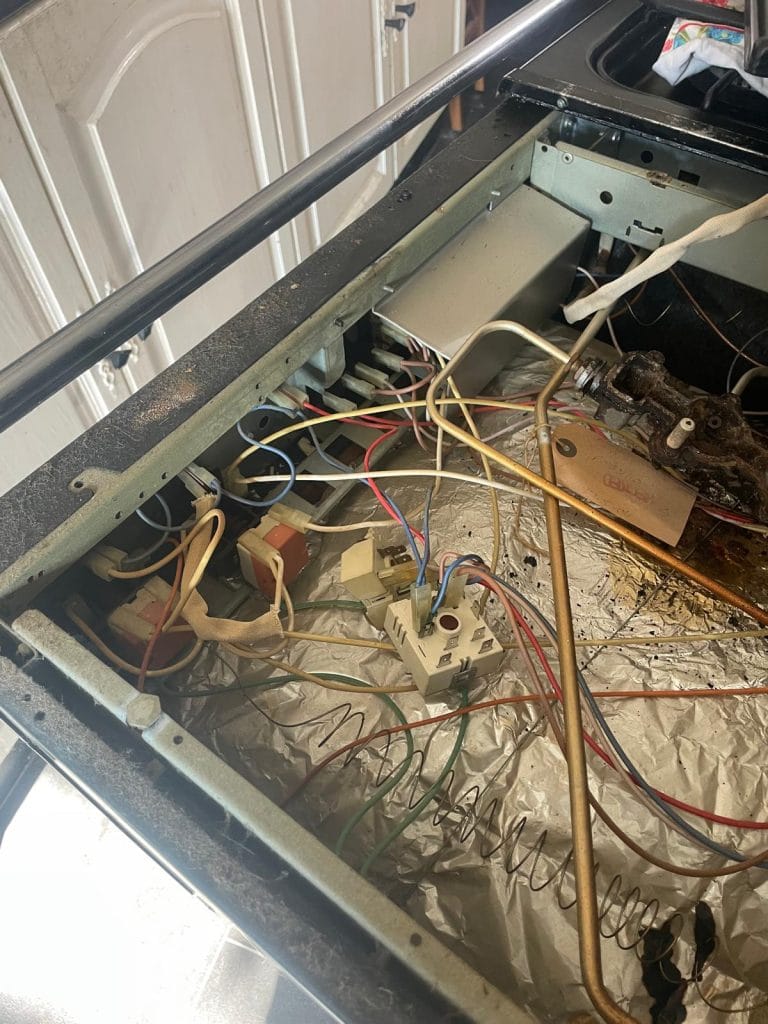
The Answer: A professional technician should always translate complex electrical or mechanical failures into clear terms before starting work. Whether it is a failed heating element in an oven, a worn drum bearing in a washing machine, or a faulty compressor relay in a fridge freezer, understanding the root cause helps you make an informed decision about the safety and viability of the fix.
4. What repair options do I have?
The Answer: There is often more than one way to address a faulty component. A component might be repairable rather than requiring a complete replacement, or there might be temporary measures available while waiting for specialty stock. A transparent specialist will outline the risks and benefits of each route, including whether the asset is reaching the end of its typical lifespan, making a full replacement a more economical option.
5. What will the total cost be, including parts, labour, and any fees?
The Answer: To prevent unexpected costs on the final invoice, request a comprehensive breakdown. A legitimate service quote should include the price of replacement components, the flat or hourly labour rate, and any environmental disposal fees for old hazardous parts, such as refrigeration gasses or heavy motors. Knowing the total upfront eliminates surprise surcharges when the job is done.
6. Is the quote written and itemised?
The Answer: Yes, and it should always be documented. Verbal agreements offer no protection if a dispute arises over final billing. Always request an itemised, written quotation via email or messaging before any tools touch your machine. This fixes the parameters of the job, outlines exactly what you are paying for, and serves as your receipt of terms.
7. Which parts will you use: OEM, aftermarket, or refurbished?
The Answer: The source of the replacement parts has a direct impact on performance and longevity:
- OEM (Original Equipment Manufacturer): Built directly by your appliance brand. These components guarantee perfect compatibility and preserve your original product warranty.
- Aftermarket: Third-party components designed to match original specifications. These are often more affordable but can vary in build quality.
- Refurbished: Used parts that have been cleaned and restored to working order. These are rarely ideal unless a specific component is entirely obsolete.
8. How long will the repair take?
The Answer: Most domestic appliance repairs take between 30 and 90 minutes to complete. If the technician does not carry the necessary component on their service vehicle, parts will need to be ordered from a distribution centre. Always ask for a realistic timeline for parts arrival and the secondary visit, especially if you are managing without an essential item like an oven or a kitchen cooker.
9. Will you contact me before doing any extra work?
The Answer: During disassembly, a technician might uncover additional underlying issues. Establish a strict boundary beforehand: they must pause work and seek your explicit authorization before installing extra parts or extending their billable hours beyond the initial written quote.
10. Do you offer a warranty on parts and labour?
The Answer: A confidence guarantee is a definitive marker of professional workmanship. Inquire about the specific duration of their warranty coverage. A standard industry benchmark is a 6-month to a full 1-year guarantee covering both the parts replaced and the labour. If the exact same fault returns soon after the visit, the company should resolve it without secondary callout charges.
11. Can I see the damaged or replaced parts?
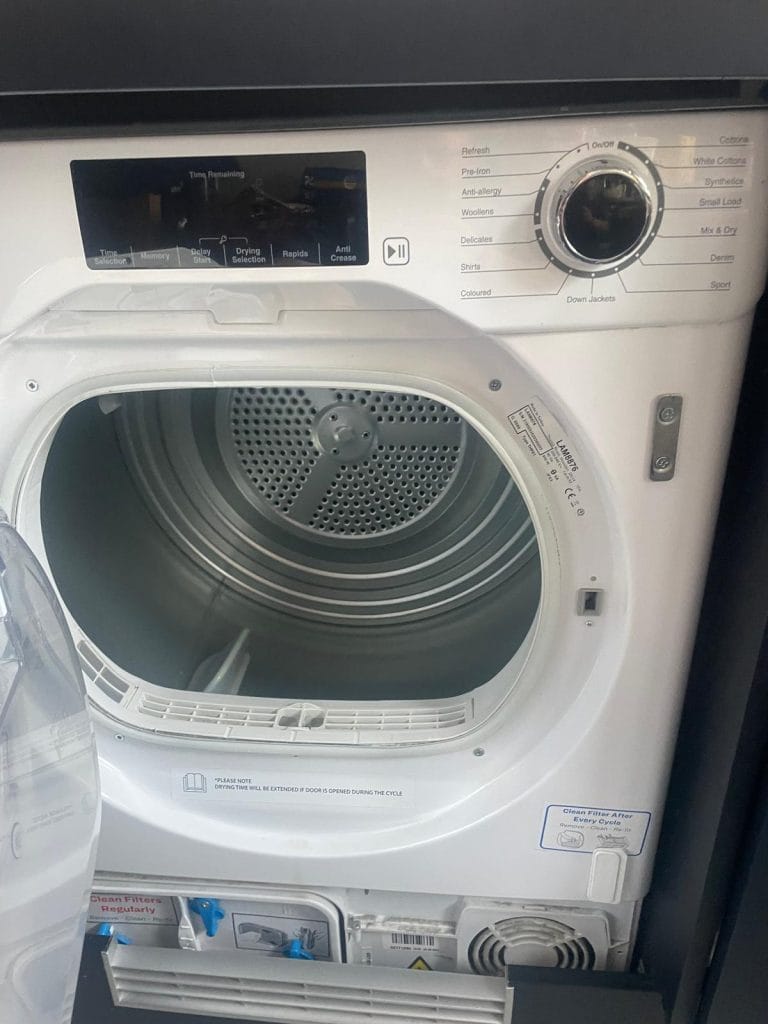
The Answer: An honest technician will have no objection to showing you the worn-out or broken component they removed from your machine. Seeing a cracked pump impellor, a worn belt, or a scorched control board provides visual confirmation that the work billed was actually required and safely executed.
12. What reviews, accreditations, or trade memberships do you have?
The Answer: Before allowing any professional into your property, verify their operating history. Look for third-party verification, such as positive feedback on independent review platforms (look for a strong history of 5-star reviews), proof of public liability insurance, and relevant electrical or technical certifications. Checking for appropriate industry qualifications ensures the business operates to recognized safety standards.
If you have a broken household appliance in the local area, don’t leave the fix to chance. You can speak directly to a local specialist or request a repair quote from our experienced team today.