In every Bristol household, the cooker is the heart of the home. It is the appliance that facilitates family meals, social gatherings, and daily routines. When it starts to fail, whether it is a ceramic hob that refuses to heat or an oven that leaves your Sunday roast half cooked, the disruption is immediate.
The question then arises: do you invest in a professional repair, or do you cut your losses and replace the unit? The decision is rarely as simple as looking at a price tag. It involves a calculation of age, mechanical condition, and environmental impact. This guide provides a clear framework to help you make an evidence based choice.
Important safety note: Appliance Repairs Bristol Ltd specialises in electric cooker and oven repairs only. We do not carry out gas repair work. For gas related faults, always contact a Gas Safe registered engineer.
If you are currently dealing with an electrical breakdown, our team at Oven Repairs Bristol can provide a full technical diagnosis.
1. The Anatomy of Failure: Electric Cooker Components Explained
Many cookers that appear to be beyond repair are actually suffering from the failure of a single replaceable electrical component.
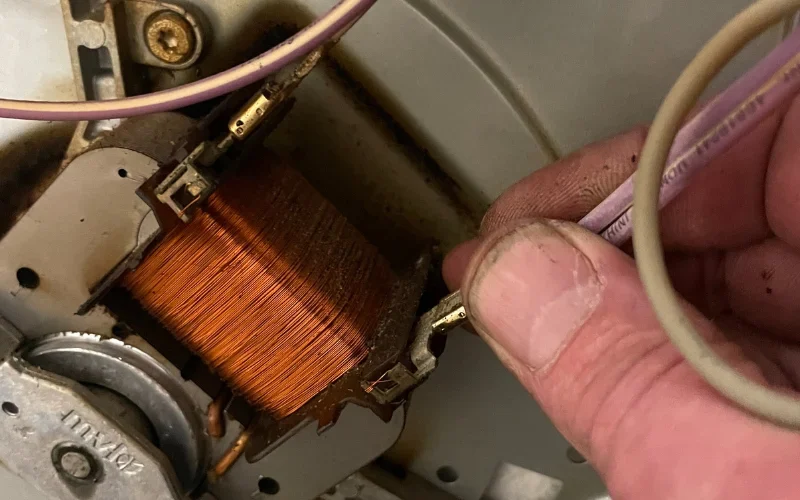
The Fan Oven Element
This is the most common failure in modern electric ovens. Over time, the internal wire inside the element thins and eventually fails, often tripping the household RCD.
- The verdict: This is a routine repair. Replacing the element is far cheaper than replacing the cooker and restores normal heating performance.
The Main Control Board
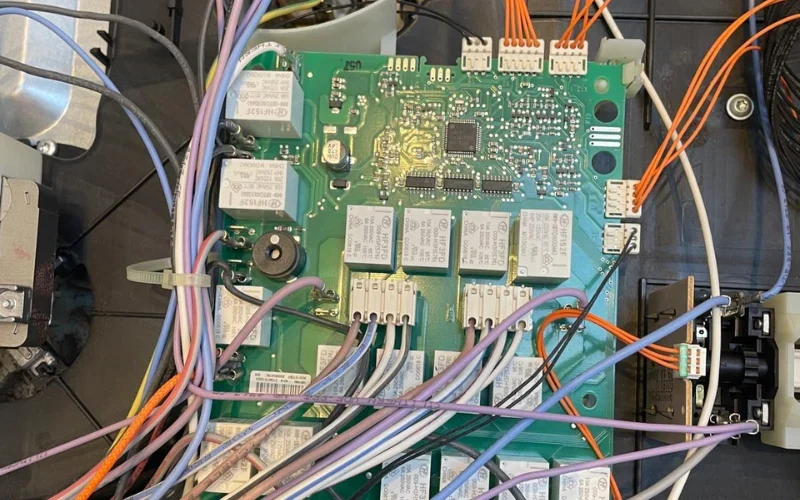
Modern electric cookers rely on printed circuit boards to control timing, temperature, and power distribution.
- Why they fail: Voltage spikes, moisture from steam, and heat fatigue can damage components.
- Repair vs replacement: On premium models, PCB replacement is often worthwhile. On budget units, the cost may approach replacement value.
The Door Assembly and Hinges
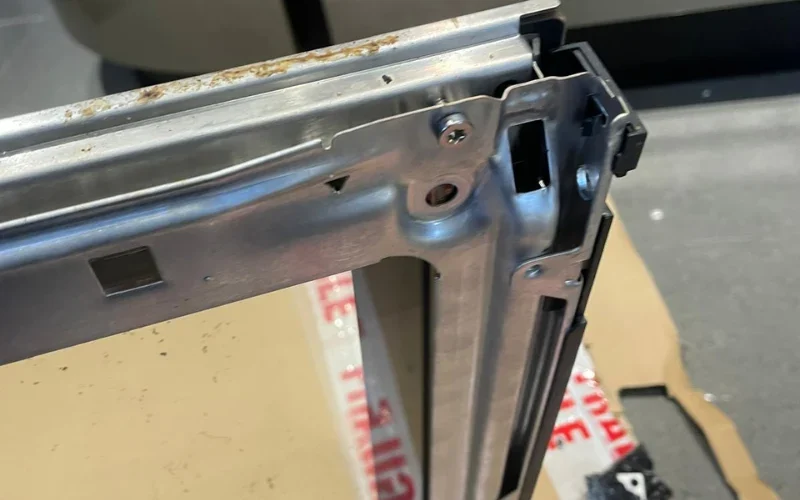
A dropped oven door causes heat loss, inefficient cooking, and potential safety risks.
- The verdict: Usually worth repairing. Replacing hinges or seals can extend oven life and reduce energy use.
Induction vs Ceramic Hob Failures
Electric hobs fall into two main categories: ceramic and induction.
- Ceramic issues: Commonly failed simmerstats or radiant rings.
- Induction issues: Often involve power modules or generator boards. Due to installation complexity, repair is usually preferred.
2. The Financial Reality: Repair Versus Replacement
The true cost comparison goes beyond the headline price.
The 50 Percent Rule
If a repair exceeds 50 percent of the cost of a new equivalent cooker, replacement should be considered. Age matters. A repair on a two year old cooker is far more sensible than the same repair on a twelve year old unit.
The Hidden Cost of New Appliances
The displayed retail price rarely reflects the true installed cost.
- Delivery fees
- Disconnection and disposal under WEEE regulations
- Professional electrical installation
- The result: A budget cooker can quickly approach double its shelf price
3. Legal and Safety Considerations
Electric cookers operate at high electrical loads, making compliance essential.
Part P Building Regulations
Kitchen electrical work must meet Part P standards. Replacing a cooker with a higher power model may require upgraded wiring. Our engineers ensure repairs maintain original safety specifications.
Gas Safety Clarification
For gas smells, yellow flames, or flame failure device faults, contact a Gas Safe engineer immediately. We do not repair gas appliances.
Bristol Landlord Obligations
Landlords must comply with Electrical Safety Standards in the Private Rented Sector Regulations. Professional repairs provide the required documentation.
4. The Bristol Housing Challenge
Local architecture can make replacement impractical.
Victorian and Georgian Properties
Narrow access and staircases often make replacing large cookers difficult and costly.
Integrated Versus Freestanding Units
Integrated cookers require precise fitting. Repair avoids cabinetry modification.
5. Environmental Considerations
Manufacturing and transport account for most of a cooker carbon footprint.
The Embedded Carbon Cost
Repair extends material lifespan and reduces white goods waste.
The UK Right to Repair Law
Manufacturers must provide spare parts for seven to ten years, supporting long term repair viability.
6. Troubleshooting Common Symptoms
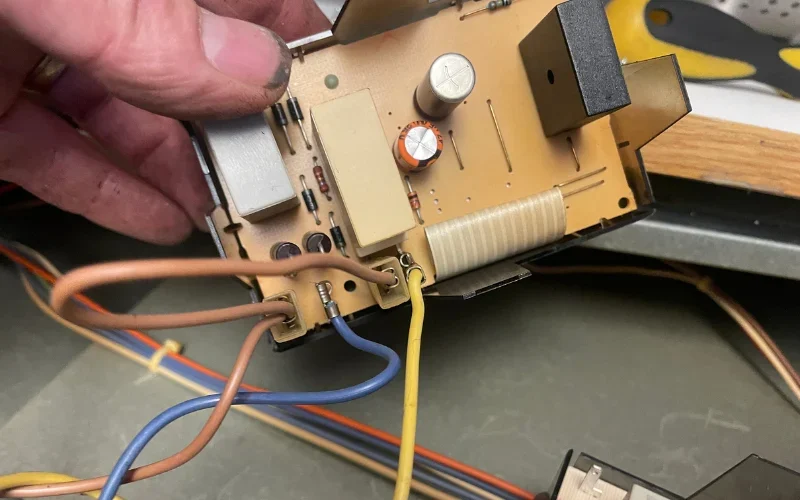
- Overheating: Usually a failed thermostat
- Grill works but oven does not: Faulty selector switch
- Flashing clock: Clock not set after power loss
- Uneven cooking: Failed element or fan motor
7. When Replacement Is the Better Option
- Structural rust or enamel failure
- Obsolete control electronics
- Severe energy inefficiency
8. Final Decision Checklist
- Is the fault electrical
- Is it a premium brand
- Does it still meet your needs
- What is the repair lead time
Expert Electrical Support in Bristol
At Appliance Repairs Bristol Ltd, we provide honest, evidence based advice and long term repair solutions.
Our engineers assess the full electrical and mechanical condition of your cooker to ensure repairs are safe and durable.
Ready to restore your kitchen? Visit our Cooker Repairs Bristol page to book an assessment today.