
If your dishwasher is tripping the electrics, it is a sign that something is wrong and it should not be ignored. In some cases, the cause is fairly minor. In others, it points to a more serious electrical fault, water leak, or failed component inside the machine. Either way, repeatedly resetting the trip switch and trying again is one of the worst things you can do.
A dishwasher that trips the electrics is not just being awkward. It is reacting to a fault that could put strain on the appliance, damage internal parts, or create a safety risk in your home. The key is to understand what may be causing it, when to stop using it, and when it is time to call in a professional engineer who understands the safety implications of the Electricity at Work Act.
What does it mean when a dishwasher trips the electrics?
When a dishwasher trips the electrics, it usually means the appliance is causing a fault that the electrical system is picking up. In many UK homes, this means the Residual Current Device (RCD) or a miniature circuit breaker in your consumer unit trips to cut the power and prevent further risk.
That trip is there for a reason. It is meant to protect your home from electrical faults, overheating, and possible shock hazards. So while it may feel frustrating when the kitchen suddenly loses power, the trip itself is often doing exactly what it should do. The real question is what triggered the earth leakage or short circuit in the first place.
Is it always the dishwasher itself?
Not always, but very often it is. One of the biggest mistakes people make is assuming the house wiring is at fault when the appliance is actually the problem. In older UK homes, outdated wiring, tired sockets on the ring main, or loose connections in a 13 amp plug can sometimes contribute to the issue. A poor connection can overheat and lead to tripping. That said, many cases come back to the dishwasher itself rather than the property wiring.
If the issue only happens when the dishwasher is running, that is already a strong clue. If other kitchen appliances are working normally and the electrics only trip when the dishwasher starts a cycle, heats the water, or drains, the appliance is often the source of the fault.
Common reasons a dishwasher trips the electrics
There is no single answer because the fault depends on the age of the machine, its condition, and what has failed. Still, some causes come up more than others, with leaks being the most frequent culprit for electrical issues.
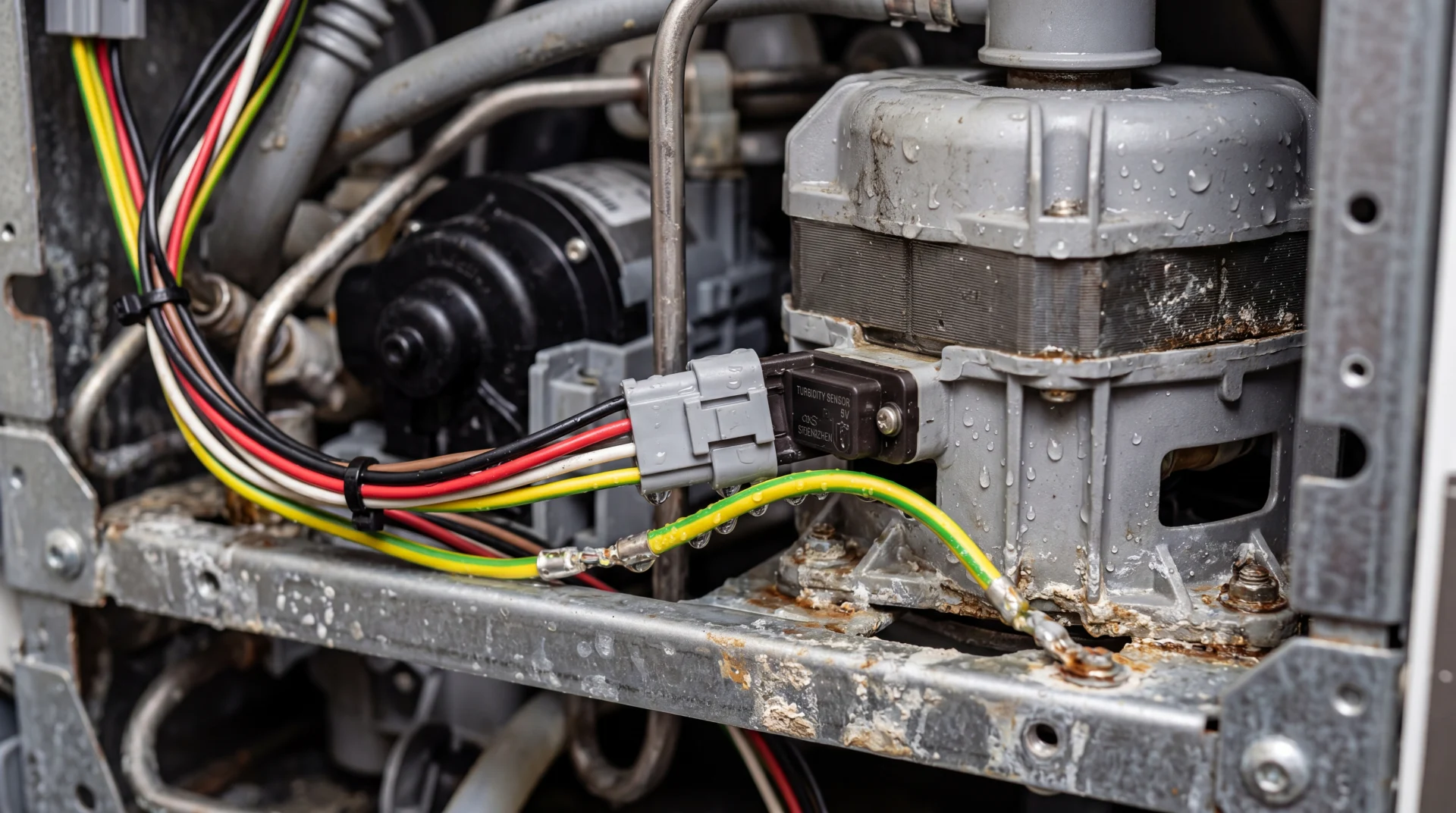
Internal Leaks and Water Ingress Water and electrics are never a good mix. In the majority of cases we attend, the primary cause of a dishwasher tripping the electrics is a leak. If water escapes the internal drum and reaches electrical parts underneath the appliance, such as the base tray, the anti flood switch, or the wiring loom, the machine will trip as a safety response. This is known as earth leakage. It is one of the most important things to take seriously because the leak you can see on your kitchen floor is not always the full story. A small, persistent internal leak can mist over electrical terminals, causing intermittent tripping.
Faulty heating element A faulty heating element is another common cause, especially in older machines. The element works hard during the wash and drying stages. If the protective sheath of the element perishes, water can come into contact with the internal filament. This causes a surge to earth that trips the RCD as soon as the dishwasher tries to heat the water. This is why some dishwashers do not trip straight away. They may fill and begin washing, then trip later in the cycle once the heating stage starts.
Seized or failing pump A seized wash motor or drain pump can also cause problems. If the motor is struggling, drawing too much current, or failing internally, the dishwasher may trip during draining or circulation. In older machines, worn bearings or perished seals in the pumps are not unusual, which can also lead to the leaks mentioned above.
Faulty door latch or poor door seal One recent repair for a customer in Saltford involved a door latch issue that stopped the dishwasher closing securely. Because the door was not closing properly, steam and water escaped during the cycle and dampened the control panel area. That moisture then led to the machine tripping the electrics. This is a good example of how the visible fault is not always the original cause. The tripping was not just about water. The real issue started with a mechanical failure of the latch.
Blocked filters or drains Blocked filters and drainage problems can cause a secondary chain of faults. If water is not moving through the machine correctly, it can lead to back pressure, internal leaking, or stress on certain components. Over time, that extra moisture can affect electrical parts and lead to failure. This is why a dishwasher that seems to have a simple draining problem should not be ignored. What starts as poor maintenance can turn into a more expensive electrical repair.
Damaged power cord or plug Frayed power cords are less common on modern machines, but they still do happen. If the cable has been trapped behind the machine, rubbed, or bent sharply, it can cause the dishwasher to trip the electrics when power is drawn. It is rare, but it is one of the things an engineer will check during a safety inspection to ensure compliance with general safety standards.
Faulty circuit board or PCB Modern dishwashers rely heavily on control boards and sensors. If the printed circuit board (PCB) starts to fail or a relay sticks, the machine can behave erratically and trip the power. One recent repair for a Bristol customer involved a faulty board that caused repeated tripping. Once the board was replaced, the dishwasher carried on working properly. This sort of fault can be difficult for a homeowner to diagnose because the symptoms are often inconsistent. The machine may appear to start normally, then suddenly trip for no obvious reason.
Can modern features prevent tripping?
To a degree, yes. Newer dishwashers often have better built in protection than older models. Leak detection systems (often called AquaStop), smart sensors, and self monitoring features can pick up problems earlier. Some models can even send fault information to your phone through an app, which can help point to the likely issue more quickly. That does not mean modern dishwashers never trip. It just means they may be better at detecting faults before the problem gets worse. Even so, if a machine is tripping the electrics, it still needs proper diagnosis rather than guesswork.
When should you stop using the dishwasher straight away?
If your dishwasher trips the electrics once, it is worth taking seriously. If it trips more than once, stop using it until it has been checked. You should stop using the dishwasher straight away if:
- You can see signs of leaking or water pooling
- There is a burning smell or smoke
- The plug, socket, or cable looks discoloured or feels hot
- The machine trips the electrics every time it starts
- It trips at the same stage of every cycle
- The appliance behaves erratically or powers on and off unexpectedly
People often keep resetting the consumer unit and trying again in the hope that it will suddenly sort itself out. It usually does not. In fact, repeated resets can make things worse because the underlying fault is still there. If water is reaching electrical parts, if a component is shorting, or if wiring is overheating, you do not want to keep forcing the machine through another cycle.
How can you tell if it is a simple issue or a serious one?
You cannot always tell just from symptoms alone, but some clues can help. A simple issue might involve a blocked filter, a drainage problem, or a door not closing properly. These can still cause tripping, but they may be repairable without replacing expensive internal components. A more serious issue is more likely when:
- The dishwasher trips the electrics instantly upon being switched on
- There are signs of heat damage or scorching on the plug
- The machine is older and has had several mechanical faults before
- The fault involves the internal heating element, wash motor, or main PCB
- Significant water has reached the electrical components in the base
That said, even something that sounds simple can have a bigger knock on effect. A blocked filter might sound minor, but if it causes a leak that damages the motor, the repair quickly becomes more involved. This is why a professional diagnosis matters.
Why guesswork is a bad idea
Dishwashers combine water, heat, electronics, and moving parts in a tight space. A lot can go wrong, and one issue can easily trigger another. That is why replacing parts based on guesswork is often a waste of money. It is also why online fault lists only go so far. Two machines can show the same symptom but have very different underlying causes. A professional diagnosis helps identify the actual source of the problem rather than just the result of it. This saves time, avoids replacing the wrong part, and reduces the chance of the machine failing again a few days later.
Are older UK homes more likely to have this problem?
Older homes can play a part, especially if the wiring has not been updated or if sockets and plugs are worn. Loose connections, ageing cables, and older consumer units can sometimes make appliance faults show up more quickly. But that should not be used as a blanket explanation. It is easy to blame the house and miss the real issue inside the dishwasher. In many callouts we attend in Bristol, the appliance itself is still the actual cause. A proper check should look at both sides of the equation. The machine needs testing, but so do the plug, socket, and power supply if there are signs that the installation may be contributing.
Is it worth repairing a dishwasher that trips the electrics?
That depends on the age of the machine and the type of fault. As a general rule, if the dishwasher is under six years old, repair is often the most cost effective option. Many newer machines are still worth saving, particularly if the fault is isolated and the rest of the appliance is in good condition.
If the dishwasher is over ten years old, it may be time to think seriously about replacement. Once you factor in repair costs, future reliability, and the better energy efficiency of a newer model, replacing it can make more sense financially. There is also the middle ground. A machine might be older but still worth repairing if the fault is minor and the parts are available at a sensible cost. On the other hand, even a younger dishwasher can be poor value to repair if it has multiple faults or signs of repeated electrical issues.
Repair or replace? A practical way to think about it
Repair may make sense if:
- The dishwasher is under six years old
- The fault is an isolated component failure
- The machine is otherwise working well
- Manufacturer parts are readily available
- The repair cost is sensible compared with a new purchase
Replacement may make more sense if:
- The machine is over ten years old
- It has a history of frequent faults
- The repair involves major electrical parts and high labour time
- There is extensive water damage to multiple components
- The cost is too close to the price of a high quality new appliance
A lot of homeowners focus only on the immediate repair bill. That is understandable, but it is also worth looking at the bigger picture. A newer machine may cost more upfront, but lower running costs and better efficiency can offset that over time.
What should you do if your dishwasher trips the electrics?
Start with safety. Turn the dishwasher off and do not keep retrying it. Check for obvious signs such as water around the base, a loose door, or a damaged cable. If there is a burning smell or visible damage, leave it switched off at the wall completely.
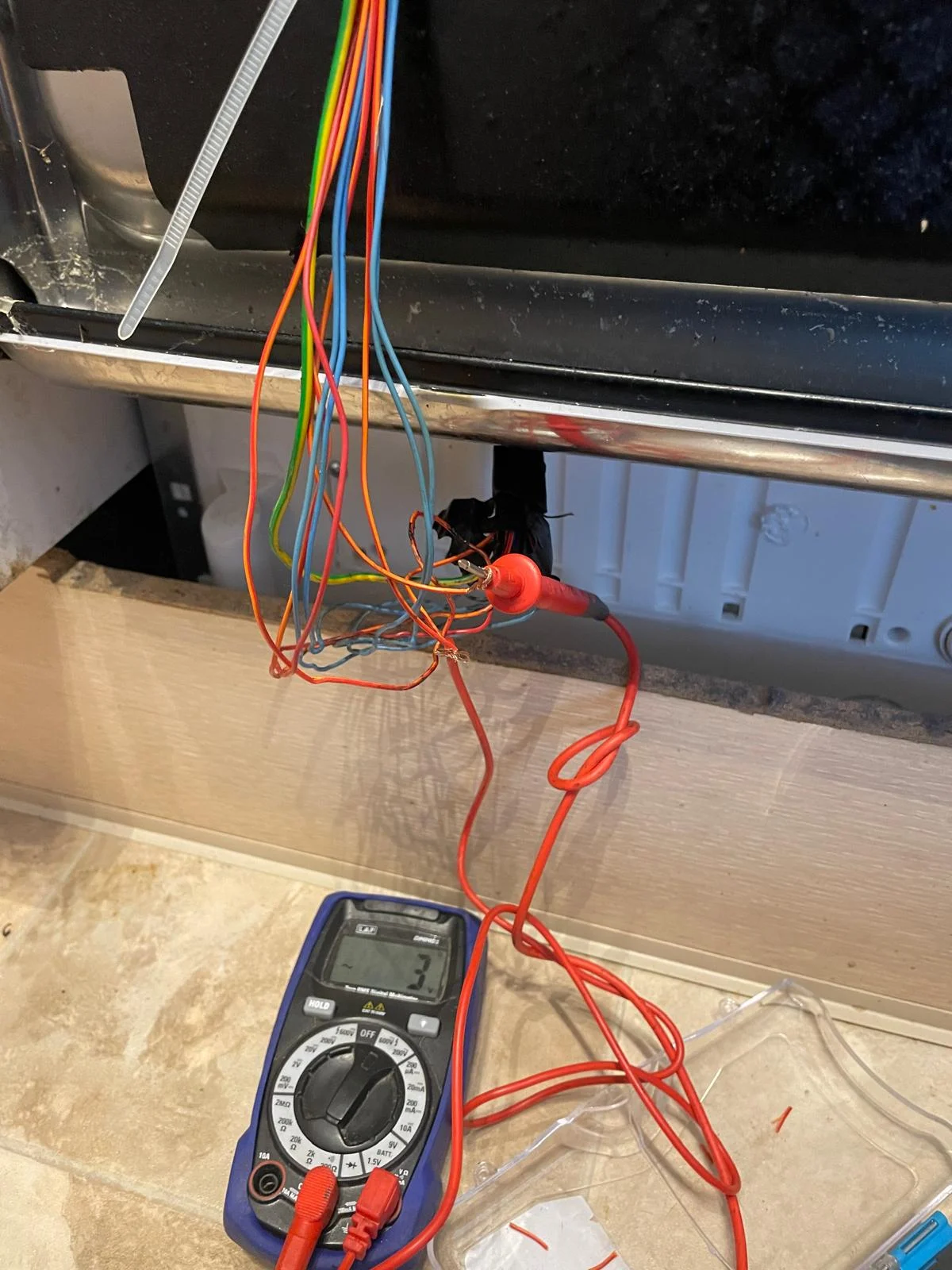
After that, the best step is to get the machine properly assessed by a specialist who understands the Electricity at Work Act and the necessity of safe isolation and testing. A good diagnosis should look at what stage the dishwasher trips on, inspect for leaks, test key components with a multimeter, and check whether the issue is internal to the appliance or linked to the power supply. Until the real cause is found, the problem is still there.
Dishwasher Repair in Bristol
If you are based in Bristol or the surrounding areas and your dishwasher is causing electrical issues, we can help. Our engineers are experienced in diagnosing complex electrical faults and can advise you on the best course of action. Whether it is a simple seal replacement or a more complex motor repair, we provide honest advice on whether your machine is worth saving.
Visit our Dishwasher Repairs Bristol page to book an engineer or find out more about our services.
FAQs
Why does my dishwasher trip the electrics halfway through a cycle?
A dishwasher tripping halfway through a cycle typically occurs when the appliance switches to the water heating or drainage phase. The most likely causes are a failing heating element or a faulty wash motor drawing excessive current.
Can a blocked dishwasher filter trip the electrics?
Yes, a blocked filter is a frequent indirect cause of electrical tripping. Poor drainage creates excess moisture and internal leaks that eventually reach electrical terminals, resulting in earth leakage that triggers your consumer unit.
Is it safe to keep resetting the consumer unit?
No, repeatedly resetting the RCD or circuit breaker is dangerous. If the fault is due to a short circuit or water ingress, forced resets can lead to electrical fires or permanent damage to your home’s ring main wiring.
Could it just be the plug or socket?
Possibly, though it is less common. In older UK properties, a worn 13 amp socket or a loose wire in the plug can overheat. However, professional diagnosis usually confirms the fault is within the appliance itself rather than the domestic power supply.
Do newer dishwashers trip less often?
Modern dishwashers are equipped with advanced leak detection sensors and AquaStop systems that often shut down the machine before a full electrical trip occurs. While they are more “intelligent,” they remain susceptible to component failure and moisture ingress.
How do I know whether to repair or replace it?
As a general rule, dishwashers under six years old are worth repairing, especially for common faults like seals or pumps. If the machine is over ten years old and suffers a major failure in the PCB (Printed Circuit Board) or motor, replacement is usually the more cost effective and energy efficient choice.
Why proper diagnosis matters
A dishwasher that trips the electrics is telling you something is wrong. Sometimes the cause is a blocked filter, a poor door seal, or a single failed part. Sometimes it points to water ingress, electrical damage, or a machine that is reaching the end of its life. The important thing is not to guess and not to keep resetting the power in the hope it will go away. A proper diagnosis helps you find the real cause, avoid further damage, and decide whether repair or replacement is the smarter move for your home. Contact us today for a quick repair.