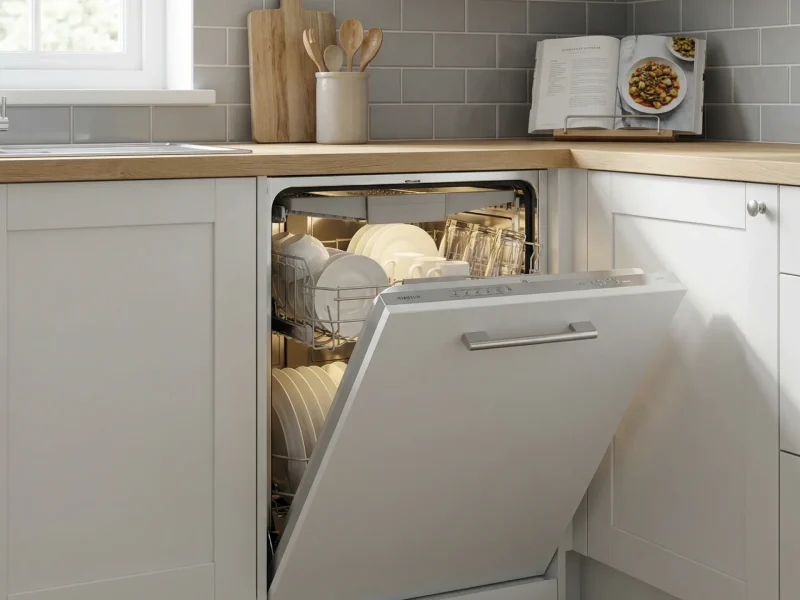

The Expert Guide for Bristol Homeowners on Diagnosing Dishwasher Issues from the noise it makes
If your dishwasher has started making unusual noises during the wash cycle, the sound itself can tell you a great deal about the health of the appliance. A change in operating noise is often one of the first signs that a component is failing or an obstruction is present. In some instances, the cause is a simple fix. In others, the sound serves as a critical warning that a fault is getting progressively worse.
The primary difficulty for many homeowners in Bristol is that they cannot always identify the exact cause from the sound alone. A dishwasher may buzz, vibrate, knock, whistle or roar for several different reasons. This is why a proper technical diagnosis from a local expert is so important. Swapping out expensive parts based on guesswork often leads to wasted money and can cause you to miss the underlying fault entirely.
From a professional repair point of view, the goal is not to make assumptions. The objective is to investigate the appliance thoroughly, identify the mechanical or electrical cause, and fix what is actually wrong.
Why Dishwasher Noises Should Never Be Ignored
Many people choose to ignore a new sound and hope the problem will resolve itself over time. Unfortunately, this is frequently where a minor, inexpensive repair transforms into a major mechanical failure.
A worn door seal, for example, may initially manifest as a slight change in water noise around the front of the machine. If this is left unaddressed, water can eventually reach sensitive electrical components that should remain dry. This leads to secondary damage that is far more expensive to rectify.
The same logic applies to the internal pumps. A machine might function one day and fail completely the next. When a customer notices a new vibration or humming sound but continues to use the appliance for weeks, the eventual repair becomes much more involved than it originally needed to be. Because most dishwashers share a similar operational logic, filling, heating, pressurising and draining, abnormal noises tend to stem from the same types of components across different brands and models.
Identifying Noises Based on the Wash Stage
To diagnose a dishwasher accurately, you must pay attention to exactly when the noise occurs during the programme.
Vibration During the Startup and Fill Phase
If the dishwasher produces a long, extended vibrating noise at the very beginning of the cycle, the problem is usually linked to the incoming water supply. This can happen if the water supply valve is not opened fully or if the inlet hose has become restricted.
If the appliance has been moved recently, the hose may have kinked behind the machine. This is particularly common in Bristol kitchens where space is tight and hoses can bend sharply as the dishwasher is pushed back into its housing. When the appliance cannot draw the water it needs at the correct pressure, it may vibrate as it tries to start the cycle.
Knocking Sounds During the Wash Cycle
A rhythmic knocking noise during the wash is usually a mechanical interference issue. The spray arms inside the machine rotate at high speed to distribute water. If they are loose, worn or catching on an item, they will create a repeated knock.

Before calling a Bristol engineer, check your loading. A large tray, a tall utensil or a pan handle sitting too low can interrupt the spray arm rotation. If the noise disappears once the machine is reloaded correctly, you have solved the problem.
Roaring or Grinding During the Drainage Phase
If the dishwasher becomes enormously loud specifically when it is pushing water out, the drain pump is the likely area of concern. In many cases, the pump is trying to operate while obstructed by food debris, a small shard of glass or a piece of broken crockery.
Small bits of debris do not always stay in the filter. They can shift and lodge themselves in the pump impeller, creating a major noise. Customers often underestimate how much damage a tiny piece of glass can cause. If the draining noise is severe, you should stop using the machine immediately to prevent the pump motor from burning out.
The Detergent Dispenser
If you hear a clicking or buzzing sound specifically just before the main wash begins, the detergent dispenser may be the cause. We often see cases in Bristol where the internal solenoid or spring mechanism has failed.
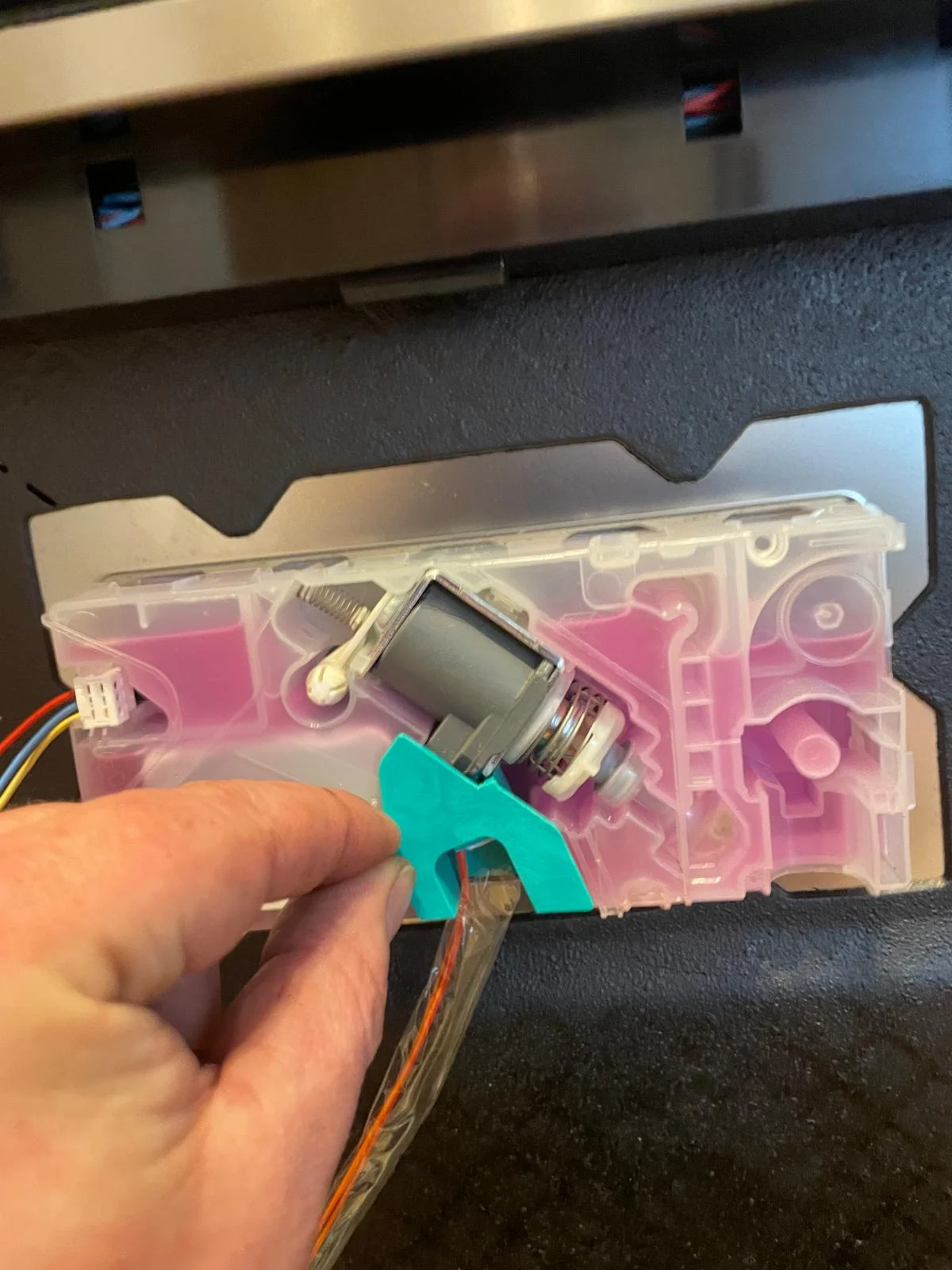
A faulty dispenser can prevent the tablet from being released correctly, leading to poor wash results and unusual mechanical noises as the door tries to fire open. Replacing this unit is a precision task that restores both the silence and the efficiency of your appliance.
Serving the Bristol Community
From Clifton and Redland to Bedminster and Horfield, we provide expert appliance advice and repair services across the whole of Bristol. We understand the specific challenges local residents face, from hard water issues that lead to pump whistling to the technical requirements of modern, high-end integrated appliances.
Commonly overlooked causes of noise we find in Bristol homes include:
Neglected Filters: A dirty filter forces the pumps to work harder, increasing noise.
Debris Build up: Food scraps and labels can bypass filters and interfere with moving parts.
Limescale: Hard water deposits in the Bristol area can create friction in pumps and valves.
Kinked Hoses: Moving the machine for cleaning often leads to restricted water flow.
Frequently Asked Questions
Why is my dishwasher extremely loud when draining?
This is usually caused by an obstruction in the drain pump. Small items like fruit pips, broken glass or bits of plastic can get stuck in the pump impeller, creating a loud grinding or roaring noise during the final stage of the cycle.
What causes a knocking sound during the wash cycle?
Knocking is often a mechanical issue where the spray arms are hitting an item of kitchenware. It can also be caused by loose or worn spray arm mountings that allow the arms to wobble and strike the racks as they rotate.
Should I keep using a noisy dishwasher?
No. If a noise is new, severe or sounds like a pump is struggling, you should stop using the appliance. Continuing to run a faulty machine can cause secondary damage to the motor or lead to leaks in your Bristol kitchen.
How do I know if my detergent dispenser is faulty?
A buzzing or clicking sound just before the wash phase often indicates a failing dispenser solenoid. If the tablet does not drop and the machine makes unusual noises, the dispenser unit likely needs a professional replacement.
Can a blocked pressure chamber make a dishwasher sound strange?”
Yes. If the pressure chamber is blocked, it can affect water level control. This often leads to ‘short burst’ washing sounds as the machine struggles to maintain the correct water volume for the wash pump.
Can dishwasher noises be caused by poor maintenance?
Yes, common issues in Bristol homes include limescale build up in pumps and food debris bypassing filters. Regular descaling and filter cleaning are essential to prevent components from becoming noisy and failing prematurely.
When to Call a Professional
If your machine is making a very loud draining noise or shows signs of leaking around the door, it is wise to stop using it until it has been checked. Acting early can stop a manageable blockage from becoming a total appliance failure.
A trained engineer can identify the actual cause of a noise instead of guessing. Whether the issue is a simple blockage, a kinked hose or a failing wash pump, a professional inspection ensures your dishwasher remains a reliable and quiet part of your home. Contact Appliance Repairs Bristol Ltd next time you Dishwasher needs repairing.