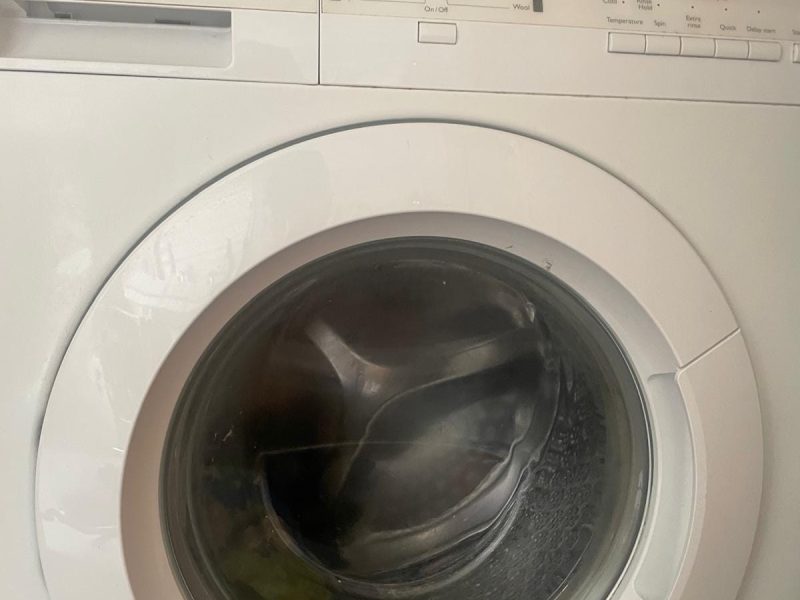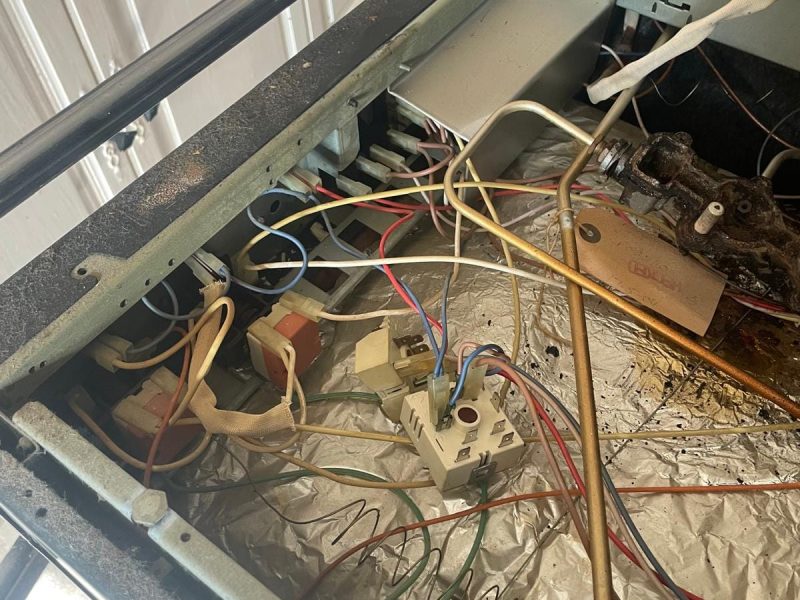

A washing machine is designed to be the guardian of hygiene in your home, turning soiled garments into fresh, wearable clothes. However, one of the most common frustrations for homeowners in Bristol is opening the door to find a damp, musty, or even sulphuric odour.
When your appliance begins to smell, it feels counter intuitive. How can a machine that uses soap and water become dirty? The reality is that modern laundry habits, while better for the environment, have created a perfect storm for bacteria. This guide explains why these odours occur, the science behind the sludge, and when professional Washing Machine Repairs Bristol are needed to resolve mechanical faults.
1. The Science of the Scent. Understanding Biofilm and Soap scum build up
To fix a smelly washing machine, you first need to understand the chemistry at play. The primary culprit is a substance known as biofilm.
Biofilm is a collective of micro organisms that stick to surfaces. In a washing machine, this forms a thin slimy layer of bacteria and fungi coating the outer tub, detergent drawer and internal hoses. This is not dirt. It is a living colony.
The Rise of Soap Scum Build Up
Another major factor is soap scum build up. This waxy build up forms when liquid fabric softeners react with detergent residue. Because many households now wash at lower temperatures such as 20°C or 30°C, this substance never melts away. Instead, it clings to the back of the drum and the spider assembly where it decomposes and produces a strong damp smell.
2. Common Causes of Washing Machine Odours
Identifying the type of smell can help pinpoint the source of the problem.
The Rotten Egg or Sulphur Smell
This is usually caused by anaerobic bacteria living in stagnant water. If the machine has not been used for several days or the pump filter is partially blocked, water can sit at the bottom of the tub. Without oxygen, bacteria produce hydrogen sulphide gas which causes the rotten egg smell.
The Musty Old Basement Smell
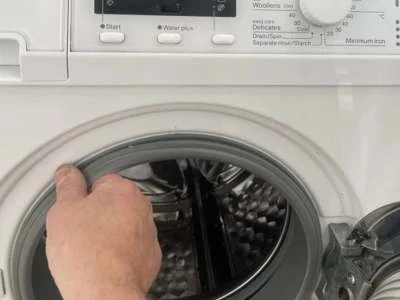
This smell points to mould or mildew. It most often grows in the rubber door seal. Pull back the folds and you will usually see black spots. Mould thrives in dark damp conditions, especially when the door is kept shut between washes.
The Sewage Smell
If the odour is particularly strong, the issue may be your plumbing rather than the appliance. An incorrectly connected waste hose can allow grey water from sinks or dishwashers to flow back into the washing machine.
3. The Bristol Factor. Hard Water and Appliance Health
Location affects how often your machine needs maintenance. Bristol and the surrounding South West are known for hard water.
Hard water contains high levels of calcium and magnesium. When heated, these minerals form limescale. Limescale creates a rough surface inside the machine which allows detergent residue and bacteria to cling rather than wash away.
Over time, scale can coat the heating element. When this happens, the water may not reach the intended temperature. A 60°C wash may only reach 40°C which is not hot enough to kill bacteria. If this is suspected, visiting the Washing Machine Repairs Bristol page allows you to book a diagnostic visit.
4. A Part by Part Guide to Cleaning Your Machine
Cleaning the drum alone is not enough. Odour issues usually sit deeper inside the appliance.
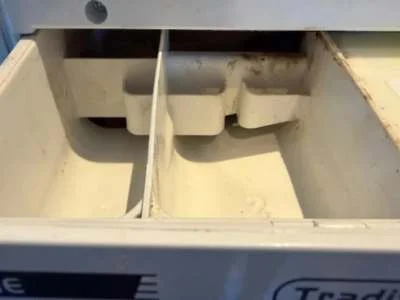
The Detergent Drawer and Housing
The detergent drawer is a common mould hotspot.
- Remove the drawer completely and scrub it with hot soapy water. Check inside the drawer housing as the spray jets are often coated in residue.
The Door Gasket
This is one of the most common hygiene failure points.
- Clean inside every fold using vinegar and water or a mild bleach solution. If the rubber is permanently stained, the seal may need replacing.

The Pump Filter
Located behind the lower access flap, this filter traps lint and debris.
- Place a towel down before opening. Remove any sludge or debris. Heavy build up indicates slow drainage.
The Internal Sump Hose
This pipe connects the drum to the pump. Small items can lodge here and collect organic debris. Clearing this usually requires professional dismantling.
5. DIY Remedies. What Actually Works
Not all internet advice is equal. Here is what professionals recommend.
- Soda crystals. Highly effective at breaking down grease and sludge. Add 500g to the drum and run a hot wash.
- White vinegar. Useful for descaling but should not be overused as it can damage seals.
- Bleach. Effective for killing mould but does not remove residue. Never mix with vinegar.
- Dishwasher tablets. Good degreasers but can create excess suds in some machines.
6. The Service Wash
If you regularly wash at low temperatures, a monthly service wash is essential.
Run an empty cycle at 90°C with soda crystals or a drum cleaner. This melts grease and kills bacteria inside the outer tub.
7. When the Smell Indicates a Mechanical Fault
If cleaning does not resolve the smell, an internal fault is likely.
- Partial internal blockages trapping debris.
- Worn or damaged outer tubs allowing bacteria to hide.
- Failing bearings causing grease contamination.
- Incorrectly installed standpipes pulling sewer air into the machine.
In these cases, professional repair is required. Appliance Repairs Bristol Ltd provides diagnostics across Clifton, Redland, Bedminster and the wider city. Visit the Washing Machine Repairs Bristol page for details.
8. The Golden Rules of Machine Maintenance
- Leave the door and drawer open after each wash.
- Use powder detergent occasionally to sanitise the drum.
- Clean the pump filter every four to eight weeks.
- Avoid overusing fabric softener.
- Book a professional service every few years.
Expert Support in Bristol
If your washing machine no longer smells fresh or you suspect a drainage issue, do not ignore it.
Appliance Repairs Bristol Ltd repairs all major brands including Bosch, Samsung, Miele, Hotpoint and Beko. Rapid callouts are available across Bristol.
Visit our Washing Machine Repairs Bristol page to book your engineer today.
Frequently Asked Questions
Why does my machine smell like burning? This can indicate a failing belt, motor issue or electrical fault. Switch off immediately and contact an engineer.
Can a smelly washing machine affect health? For most people it is unpleasant only, but mould spores can aggravate asthma or allergies.
How often should the rubber seal be cleaned? Wipe it after daily use and deep clean monthly.
Is vinegar safe? In moderation yes, but frequent use can damage rubber components.